
Spring is the perfect time to refresh your outdoor space, start new plants, and enjoy the excitement of watching your garden come back to life. Whether you’re a beginner or a seasoned gardener, this guide covers the best spring gardening tips, easy plants to grow, and simple ways to prepare your yard for a beautiful season ahead.
Why Spring Is the Best Time to Start Gardening
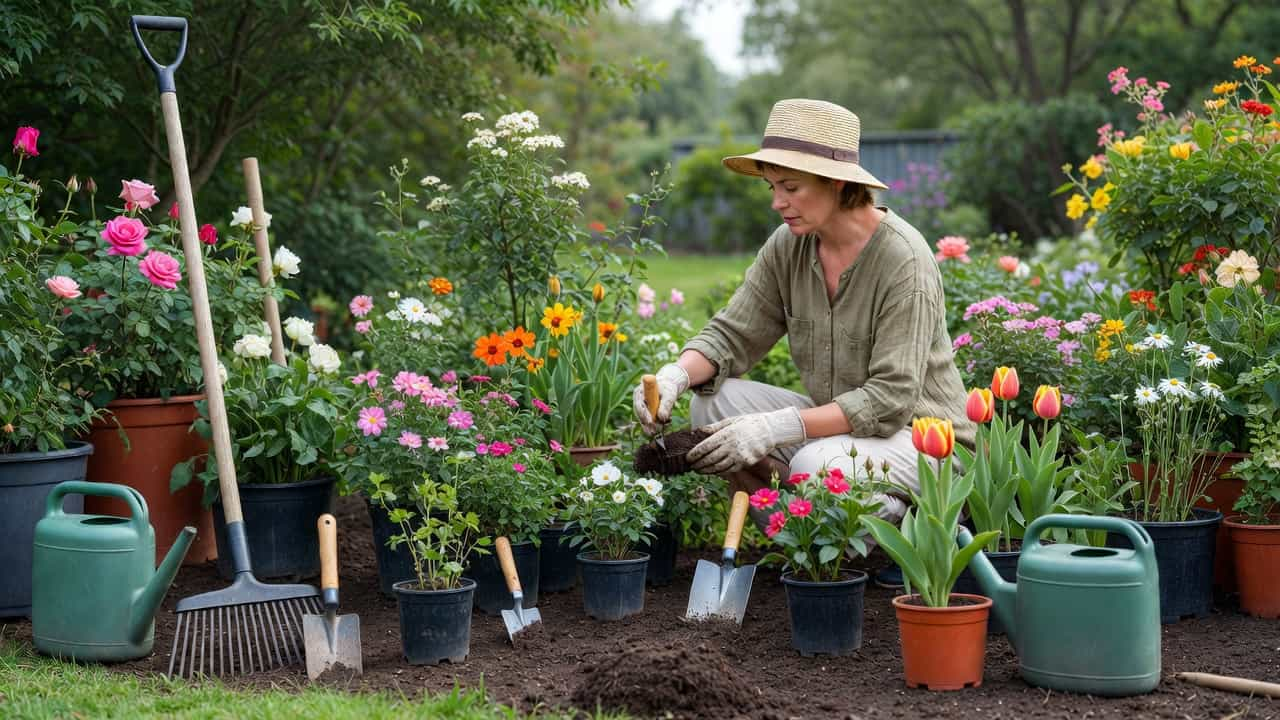
Spring brings warmer temperatures, longer days, and nutrient‑rich soil — the ideal combination for planting. Many flowers, vegetables, and herbs thrive when planted in early to mid‑spring, making this season the perfect opportunity to grow something new.
Benefits of spring gardening
- Rainfall naturally supports new growth
- Fewer pests compared to summer
- Ideal temperatures for seedlings
- Softer soil makes digging easier
Prepare Your Garden for Spring Planting
Before planting anything, a little preparation goes a long way.
Clean up winter debris
Remove leaves, sticks, and dead plants to give your garden a fresh start.
Refresh the soil
Add compost, mulch, or organic fertilizer to boost nutrients.
Prune shrubs and perennials
Cut back dead or damaged branches to encourage healthy new growth.
Test your soil
A simple soil test helps you understand pH levels and nutrient needs.
Try container gardening
Great for patios, balconies, or small spaces.
Best Flowers to Plant in Spring
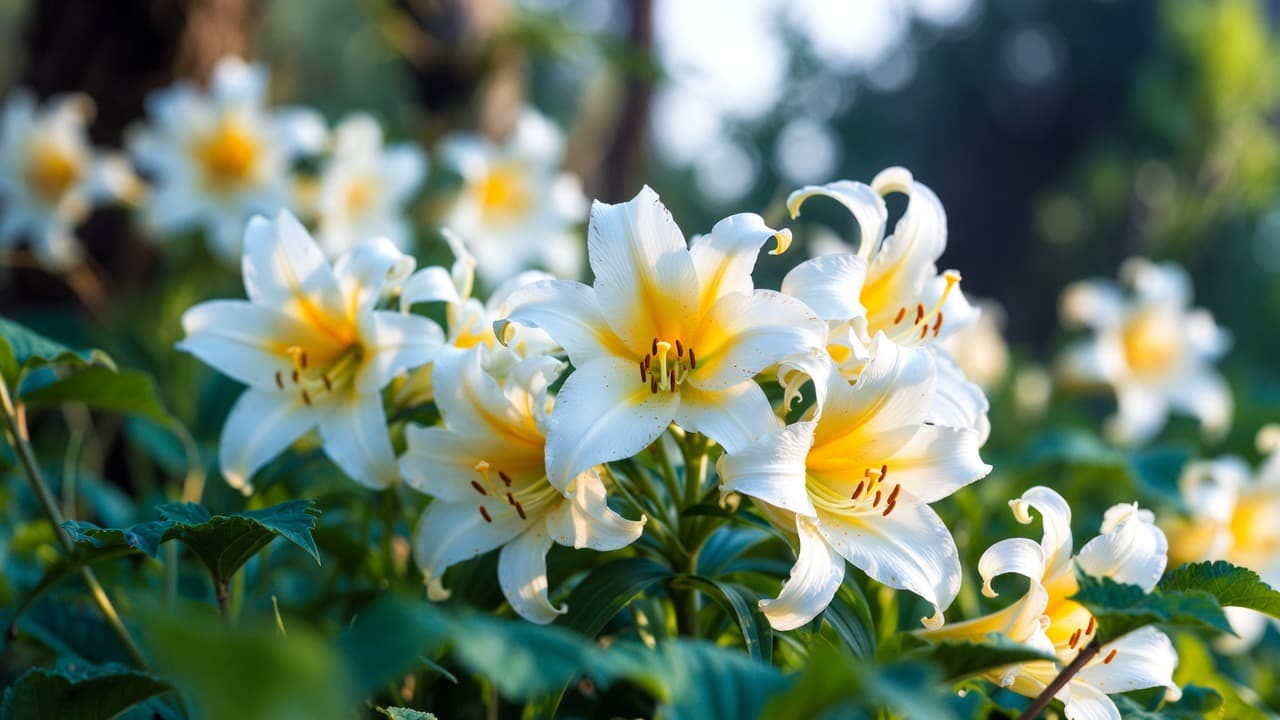
Spring is famous for its colorful blooms. These flowers are easy to grow and perfect for beginners.
Early‑spring flowers
- Daffodils
- Hyacinths
- Crocuses
- Tulips
Mid‑spring bloomers
- Snapdragons
- Dianthus
- Primroses
- Pansies
Late‑spring favorites
- Irises
- Lilies
- Geraniums
- Peonies
Easy Vegetables to Grow in Spring
If you’re starting a vegetable garden, spring is the ideal time to plant cool‑season crops.
Beginner‑friendly vegetables
- Spinach
- Kale
- Radishes
- Carrots
- Peas
- Lettuce
Herbs that thrive in spring
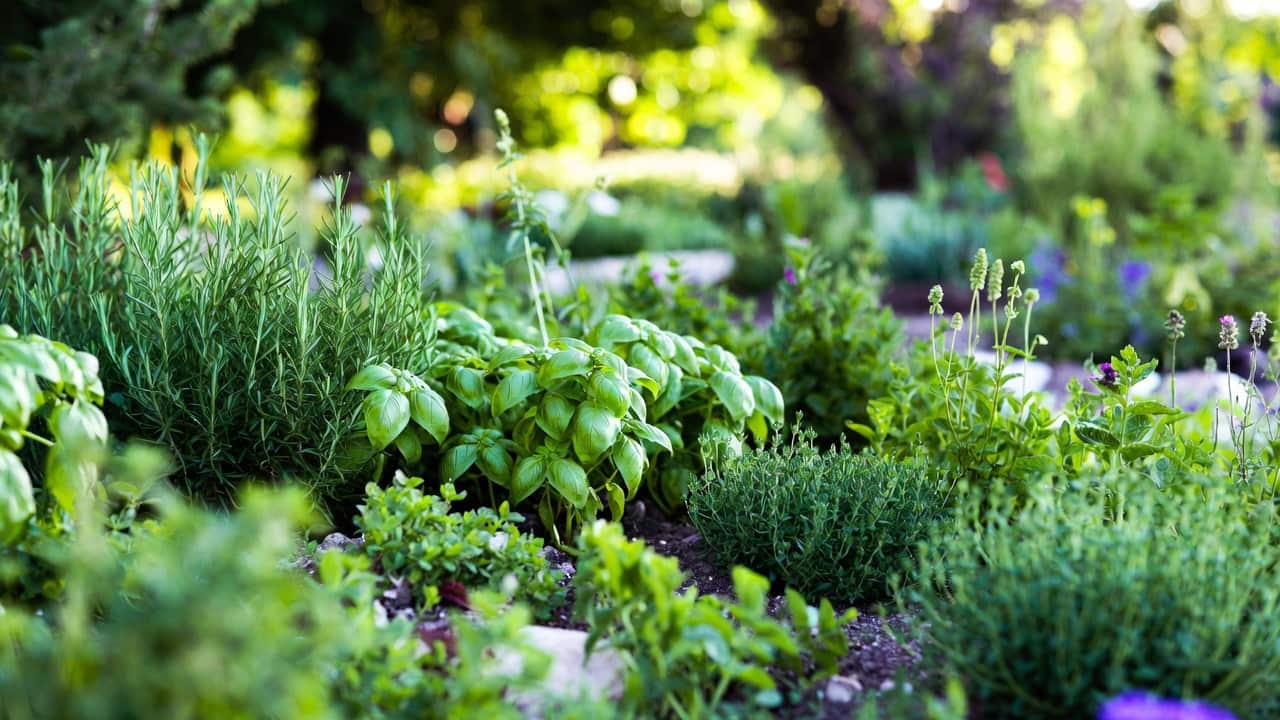
These plants grow quickly and are perfect for raised beds, containers, or small backyard gardens.
- Parsley
- Mint
- Chives
- Cilantro
- Basil
Spring Gardening Ideas for Small Spaces
You don’t need a big yard to enjoy spring gardening.
Try container gardening
Use pots, planters, or hanging baskets for flowers and herbs
Create a balcony garden
Add vertical planters or railing boxes for maximum space.
Grow a kitchen herb garden
Perfect for windowsills or sunny countertops.
Attract Pollinators With a Spring Garden
Pollinators like bees, butterflies, and hummingbirds help your garden thrive.
Seasonal photography
Capture blossoms, sunsets, and spring landscapes.
Plants that attract pollinators
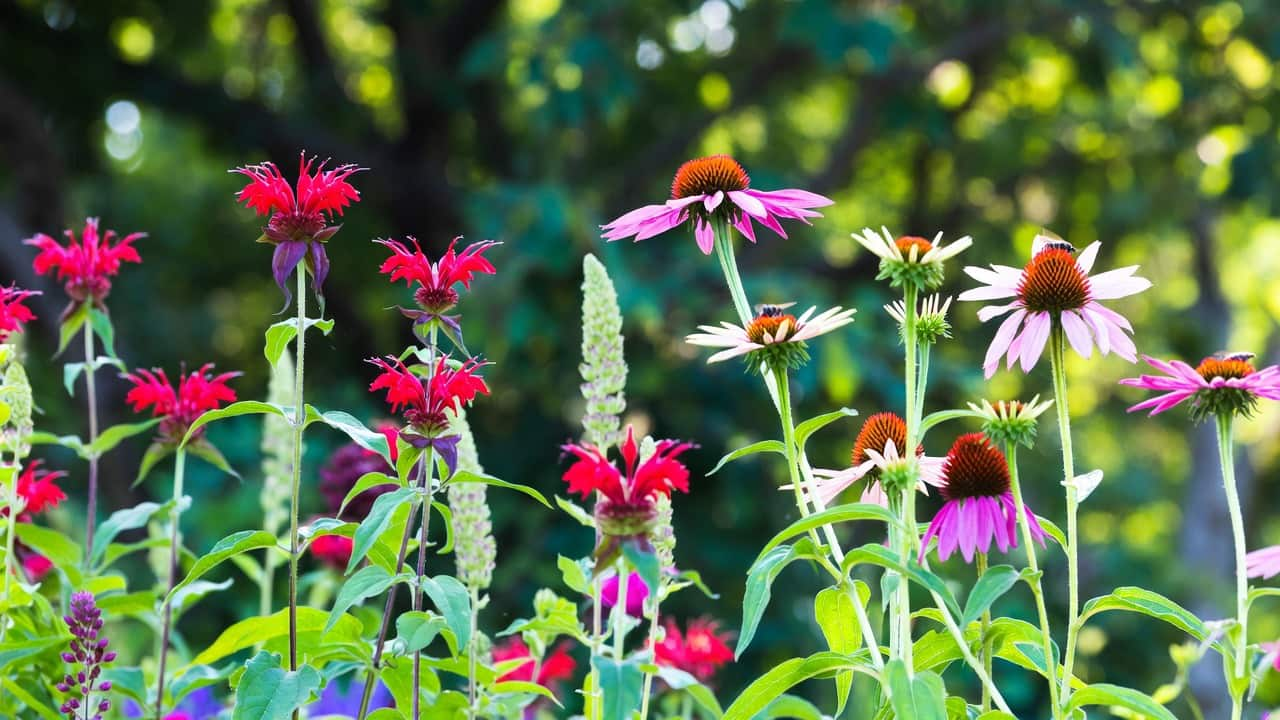
- Coneflowers
- Bee balm
- Black‑eyed Susans
- Zinnias
- Lavender
Add pollinator‑friendly features
- Native plants
- A small bee house
- A shallow water dish
Spring Gardening for Kids and Families
Gardening is a fun, hands‑on activity for all ages.
Kid‑friendly ideas
- Grow strawberries in pots
- Paint and decorate flowerpots
- Create a “fairy garden” or mini habitat
- Plant sunflower seeds
These activities help kids learn responsibility and enjoy nature.
Build Your Spring Gardening Bucket List
A spring gardening bucket list helps you stay inspired all season long.
Ideas to do include:
- Start a vegetable garden
- Visit a local greenhouse
- Add fresh mulch to your beds
- Grow herbs for cooking
- Create a pollinator garden
- Take weekly photos of your garden’s progress
- Plant one new flower variety
Final Thoughts: Make This Your Best Gardening Season Yet

Spring gardening is all about growth, color, and fresh beginnings. Whether you’re planting flowers, growing vegetables, or simply refreshing your outdoor space, these tips will help you create a garden you’ll love all season long. Start small, stay consistent, and enjoy the beauty that spring brings.


Spring Gardening FAQ
When should I start spring gardening?
Most spring gardening begins when the soil is workable and daytime temperatures consistently stay above freezing. In many regions, this means late March through April. Early spring is ideal for cool‑season vegetables and hardy flowers
How do I prepare my garden for spring?
Start by clearing winter debris, pruning dead branches, refreshing soil with compost, and testing your soil’s pH. Adding mulch and checking your tools also helps set the stage for healthy growth.
Can I start a garden if I don’t have much space?
Absolutely. Container gardening, vertical planters, railing boxes, and small raised beds make it easy to grow flowers, herbs, and vegetables even on balconies or patios.
How do I attract pollinators to my spring garden?
Plant pollinator‑friendly flowers such as lavender, bee balm, coneflowers, and zinnias. Adding a shallow water dish, avoiding pesticides, and including native plants also helps attract bees and butterflies.
Is spring a good time to start a herb garden?
Definitely. Herbs like basil, mint, parsley, cilantro, and chives thrive in spring weather and grow well in containers, raised beds, or sunny windowsills.
What are the easiest plants to grow in spring?
Beginner‑friendly spring plants include lettuce, spinach, peas, radishes, marigolds, pansies, and herbs like parsley and chives. These plants tolerate cooler temperatures and grow quickly.
What flowers bloom best in spring?
Popular spring bloomers include tulips, daffodils, hyacinths, pansies, snapdragons, and primroses. Many of these flowers thrive in cooler temperatures and add early color to your garden.
What vegetables can I plant in early spring?
Cool‑season vegetables like carrots, kale, radishes, peas, and leafy greens grow well in early spring. These crops prefer mild temperatures and can handle light frost.
Should I fertilize my garden in spring?
Yes — spring is a great time to add compost or a balanced fertilizer. This replenishes nutrients lost over winter and supports strong early growth.
How often should I water my spring garden?
Most spring plants prefer consistent moisture but not soggy soil. Water deeply once or twice a week, depending on rainfall and temperature. Containers may need more frequent watering.