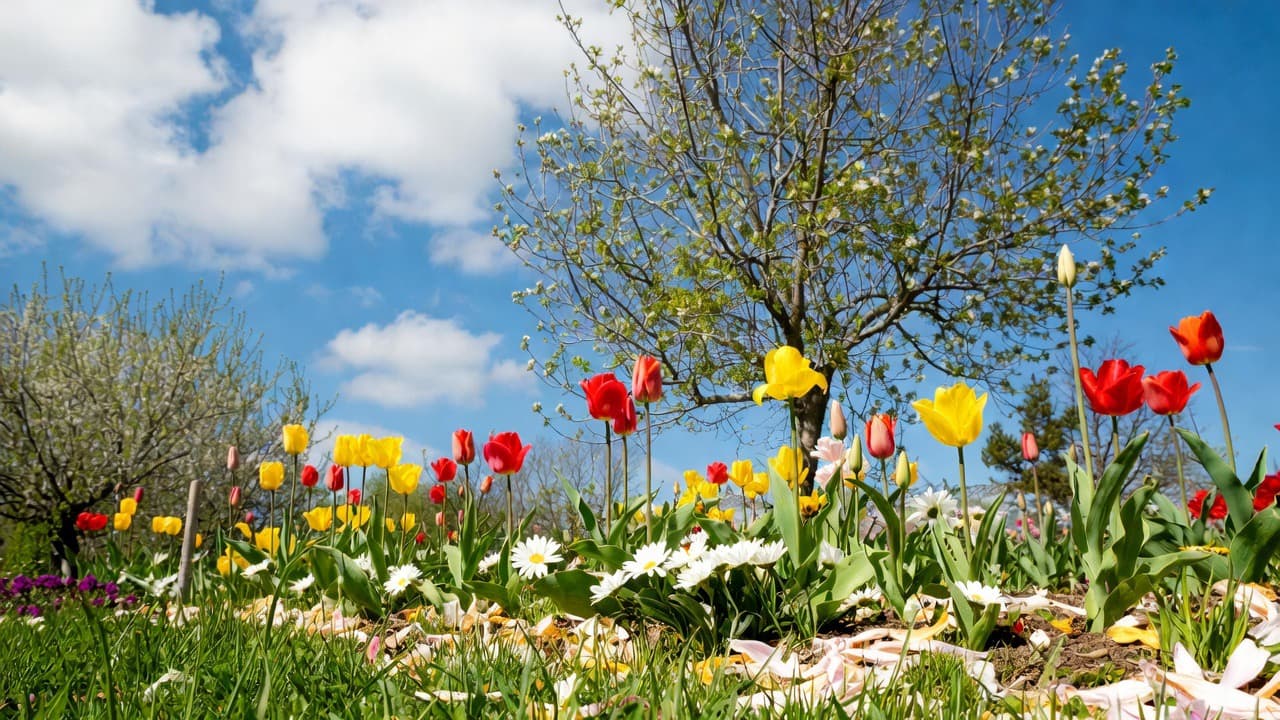
The first day of spring 2026 arrives on Friday, March 20, bringing the promise of brighter mornings, softer breezes, and that unmistakable feeling that everything is waking up again. As the spring equinox tips the season toward longer days and blooming colors, it’s the perfect moment to shake off winter and look forward to all the good things ahead. Spring 2026 is on the way — and it’s closer than you think.
The Two Ways We Measure Spring: Astronomical vs. Meteorological
1. The Astronomical Start (The Vernal Equinox) of Spring
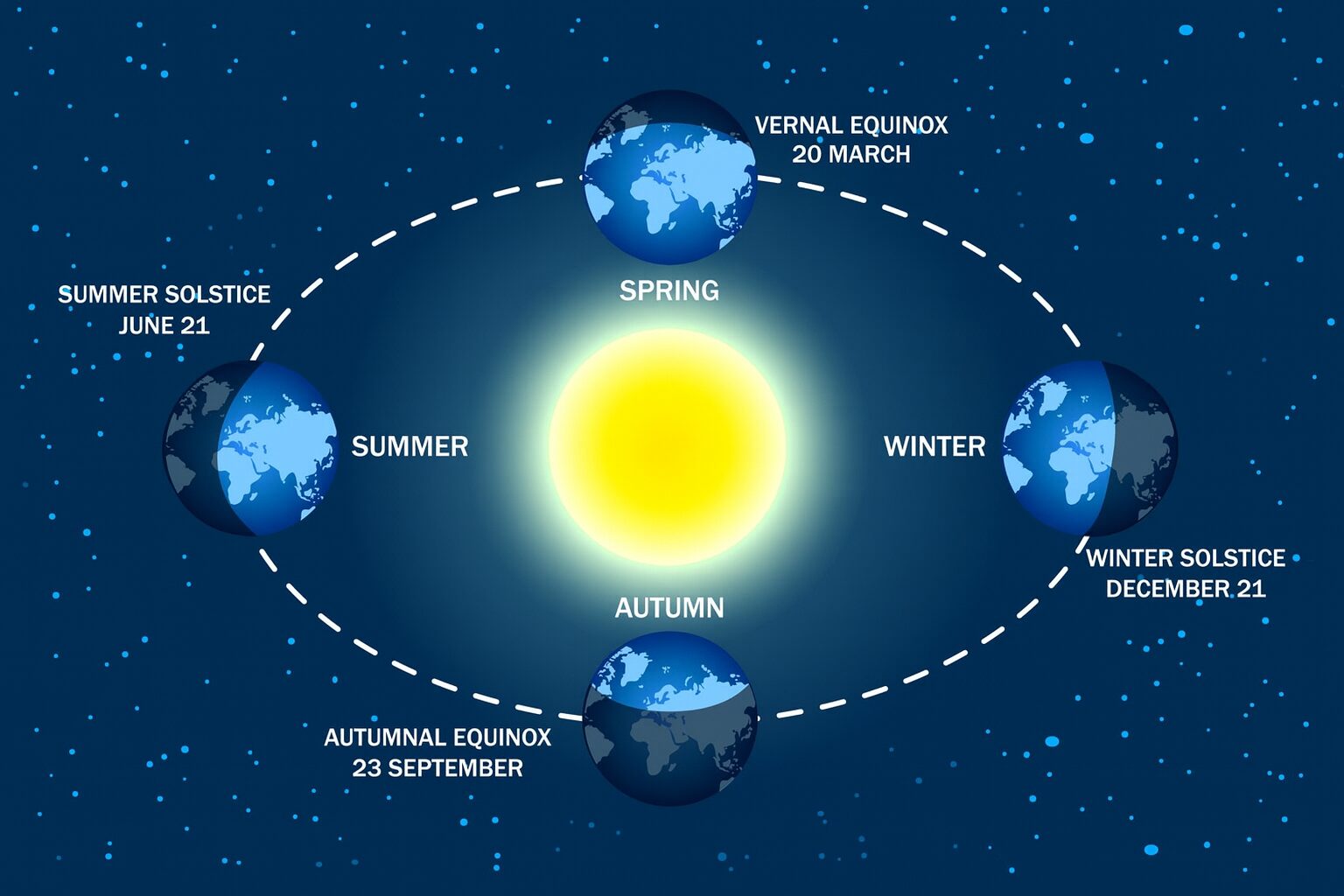
This is the “official” date most people refer to. It’s defined by Earth’s orbit around the Sun. The Vernal Equinox occurs the exact moment the Sun crosses the celestial equator heading north.
The Science: Day and night are nearly equal in length.
The Timing: In the Northern Hemisphere, this usually falls on March 19, 20, or 21.
2. The Meteorological Start of Spring
Meteorologists use a fixed system based on the annual temperature cycle and the Gregorian calendar. This makes seasonal statistics easier to track.
The Date: Meteorological Spring always begins on March 1 and ends on May 31.
The Purpose: This consistency allows scientists to compare weather patterns year to year without the “wobble” of equinox dates.
Why Does the First Day of Spring Change Each Year?
The first day of spring doesn’t fall on the exact same date every year because Earth’s orbit isn’t a perfect 365 days. Our planet takes about 365.242 days to travel around the sun, which means the timing of the equinox slowly shifts over time. Leap years help correct this drift, but they don’t eliminate it entirely.
A few key factors cause the date to move between March 19, 20, and 21:
Earth’s Orbit Isn’t a Perfect Circle
Our orbit is slightly elliptical, so the speed of Earth’s movement around the sun changes throughout the year. This affects the exact moment the sun crosses the celestial equator.
The Extra .242 Days Each Year Add Up
Because a year isn’t exactly 365 days, the equinox occurs about six hours later each year. Every four years, a leap day resets the drift — but not perfectly.
Time Zones Play a Role
The equinox happens at a precise moment worldwide, but your local time zone determines whether that moment falls on March 19, 20, or 21 where you live.
Leap Years Shift the Calendar
Leap years add an extra day in February, pushing the equinox earlier on the calendar in some years.
Long‑Term Astronomical Cycles
Over centuries, gravitational interactions with the moon and other planets cause tiny variations in Earth’s tilt and orbit. These long‑term cycles also influence equinox timing.
First Day of Spring Dates
The first day of spring is determined by the astronomical equinox, not the calendar. To make things simple, the table below automatically displays the equinox date and day of the week, giving you an accurate view no matter where you’re visiting from.
| Year | First Day of Spring | Day of the Week |
|---|---|---|
| 2025 | March 20, 2025 | Thursday |
| 2026 | March 20, 2026 | Friday |
| 2027 | March 20, 2027 | Saturday |
| 2028 | March 20, 2028 | Monday |
| 2029 | March 20, 2029 | Tuesday |
| 2030 | March 20, 2030 | Wednesday |
🌱 Early Signs that Spring is Coming
- Longer daylight
- Warmer afternoons
- Birds returning
- Budding trees
- First flowers (snowdrops, crocuses)
- Melting snow
- More wildlife activity
What Happens on the Spring Equinox?
- Daylight and nighttime are nearly equal
- The sun rises exactly in the east and sets in the west
- Temperatures begin to warm
- Many cultures celebrate seasonal renewal
🌼 FAQ: First Day of Spring
When does Spring Start?
The first day of spring is the moment the sun crosses the celestial equator, creating nearly equal amounts of daylight and darkness. This event is known as the Spring Equinox.
When is the first day of spring in 2026?
In 2026, the first day of spring is March 20, marking the astronomical start of the season in the Northern Hemisphere.
Does the first day of spring fall on the same date every year?
No. While it often falls on March 20 or 21, the exact date can shift slightly due to leap years and the Earth’s orbit.
Why does the date of the spring equinox change?
The date changes because Earth’s orbit isn’t a perfect 365 days. Leap years and the planet’s elliptical orbit cause slight variations in the timing of equinoxes.
What happens on the first day of spring?
Daylight and nighttime become nearly equal, temperatures begin to warm, and many regions start seeing early signs of seasonal change like budding trees and migrating birds.
Is the first day of spring the same as meteorological spring?
No. Meteorological spring always begins on March 1, while astronomical spring begins on the equinox, usually March 20 or 21.
Is the first day of spring the same worldwide?
No. The March equinox marks spring in the Northern Hemisphere, but it marks the start of autumn in the Southern Hemisphere.
How long does spring last after the equinox?
Astronomical spring lasts until the summer solstice, which typically occurs around June 20 or 21.